On November 18, Javengers and Javengers Brand New Day visited Penn State Harrisburg to explore four research labs: Electricity, Engineering, Biomedical, and Plant Tissue Culture. We learned about microgrids, artificial intelligence, medical technology, and plant growth. We also discovered how professional engineers use organization, problem-solving, and reliable designs in their work. This experience gave us new ideas that we can apply to our FTC robots and helped us better understand how engineering is used in the real world.
Exploring the World of Engineering: Our Visit to Penn State Harrisburg
November 18, 2026 | Javengers & Javengers Brand New Day | Author: Atharv Gupta
A Day of Learning, Discovery, and Innovation!
On November 18, our FTC teams, Javengers and Javengers Brand New Day, had the exciting opportunity to visit Penn State Harrisburg and explore four different research laboratories. A group of 12 students attended the visit, where we met with Dr. Anilchandra Attaluri and learned how science, engineering, and technology are used to solve real-world problems.
From electricity and mechanical engineering to biomedical research and plant science, each lab introduced us to something new. We were able to see real research equipment, learn from professionals, and discover how the things we work on in FTC connect to engineering outside of robotics competitions.
1. Electricity Lab: Understanding How Power Works
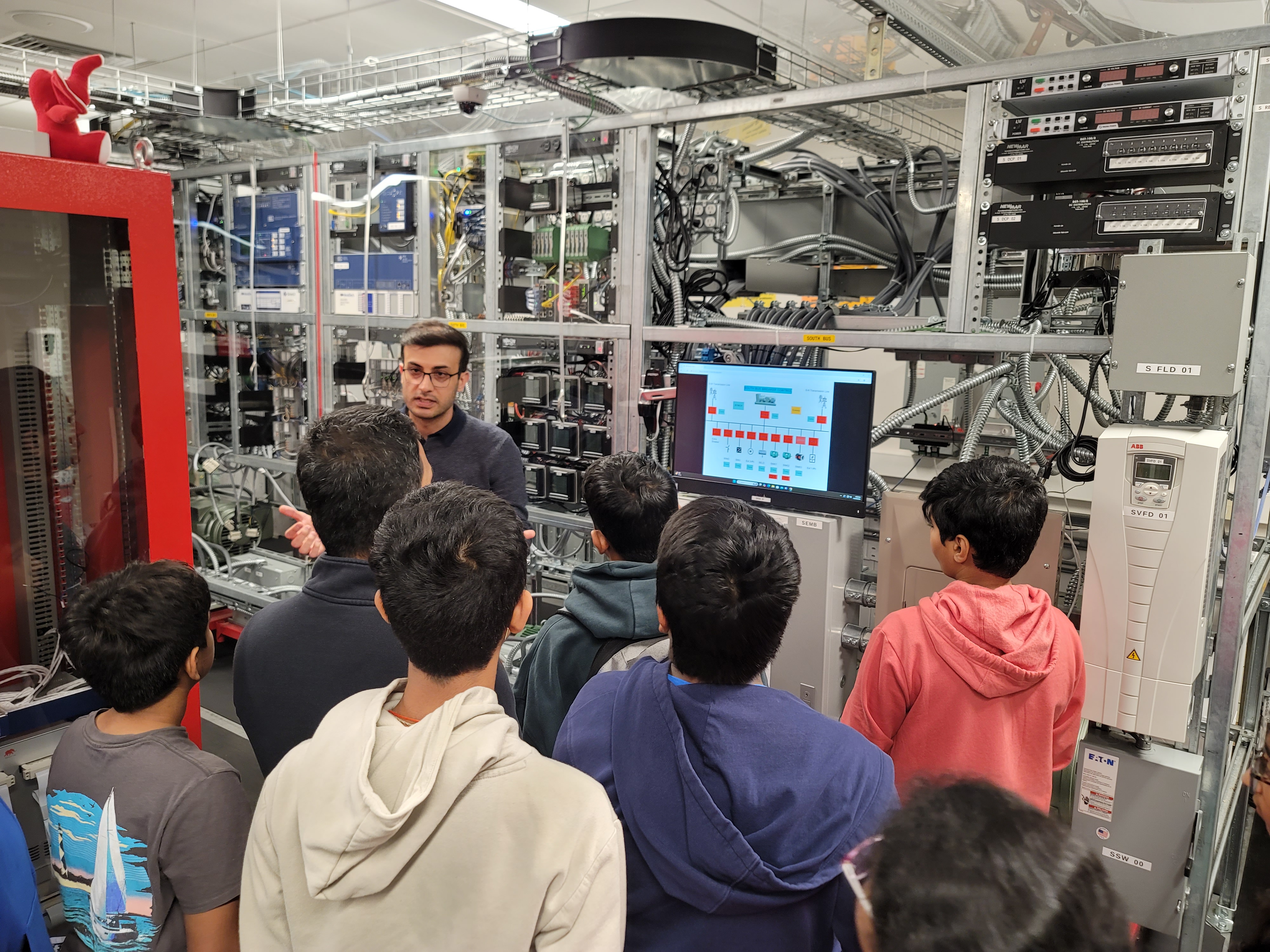
Our first stop was the Electricity Lab, where we learned about electrical systems and microgrids. A microgrid is basically a smaller version of a regular power grid that can generate and distribute electricity.
Researchers showed us both a simulation machine and a real microgrid used for experiments. The real microgrid included a generator that produces 10 kW of power and four electrical loads: three motors and one customizable load. Researchers can change the loads depending on what they want to test.
We learned how electricity is generated, distributed, and managed. This was especially interesting because our FTC robots also depend on electrical systems. Understanding how power is managed can help us improve how we use our batteries, motors, and other electrical components.
2. Engineering Lab: Turning Ideas Into Solutions
Next, we visited the Engineering Lab, where we learned about different engineering projects and the importance of organization and documentation.
One important lesson was that wires should always be organized and labeled. This helps engineers understand how a system is connected and makes it easier to find and fix problems.
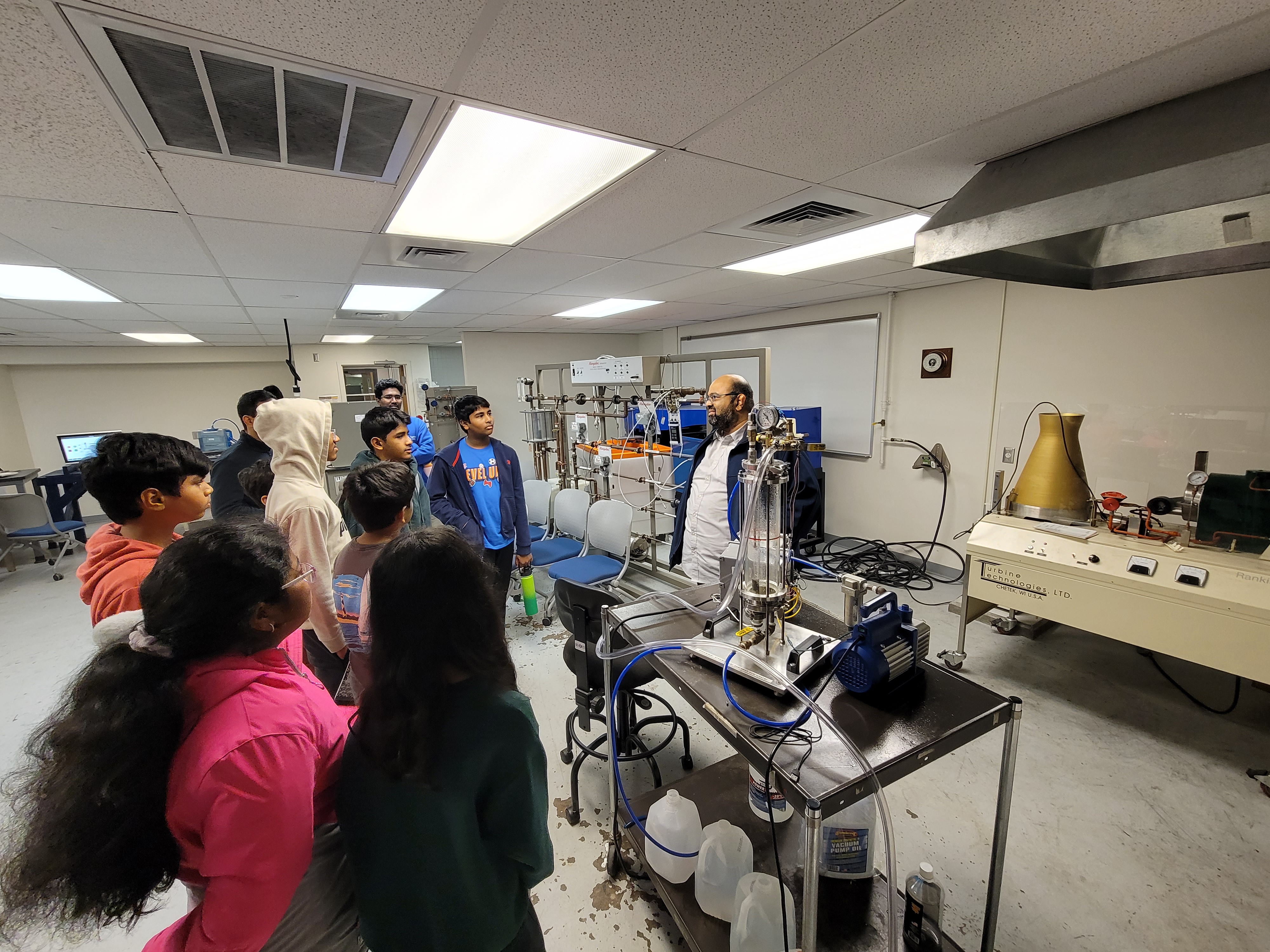
We also explored several interesting projects, including a wind tunnel, a pump system, and an AI-powered fruit-sorting machine. The fruit-sorting machine uses artificial intelligence to separate good fruit from bad fruit.
Another project that caught our attention was the pump system. It used two pumps so that if one stopped working, the other could continue operating. This showed us how engineers design reliable systems that can keep working even when something goes wrong.
We can apply these ideas directly to our FTC robots by organizing our wires, documenting our designs, and testing our systems to make them more dependable.
3. Biomedical Lab: How Technology Helps Medicine
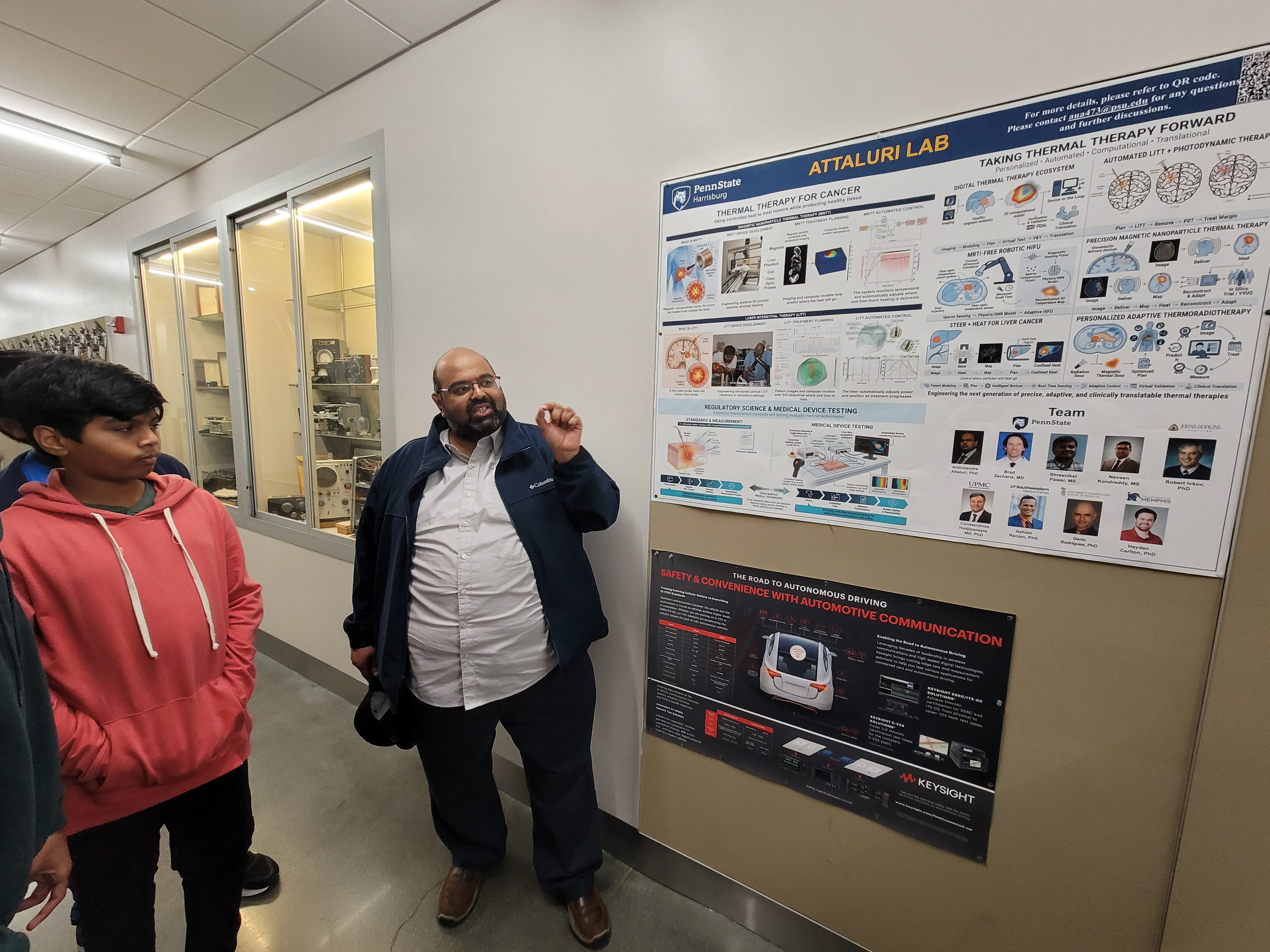
Our third stop was the Biomedical Lab, where we learned how engineering and technology can help researchers develop new ways to treat tumors.
The researcher explained a method that uses tiny magnetic particles to target tumors. Magnets help guide these particles toward a specific location. Researchers can then heat the particles to a certain temperature to damage tumor cells.
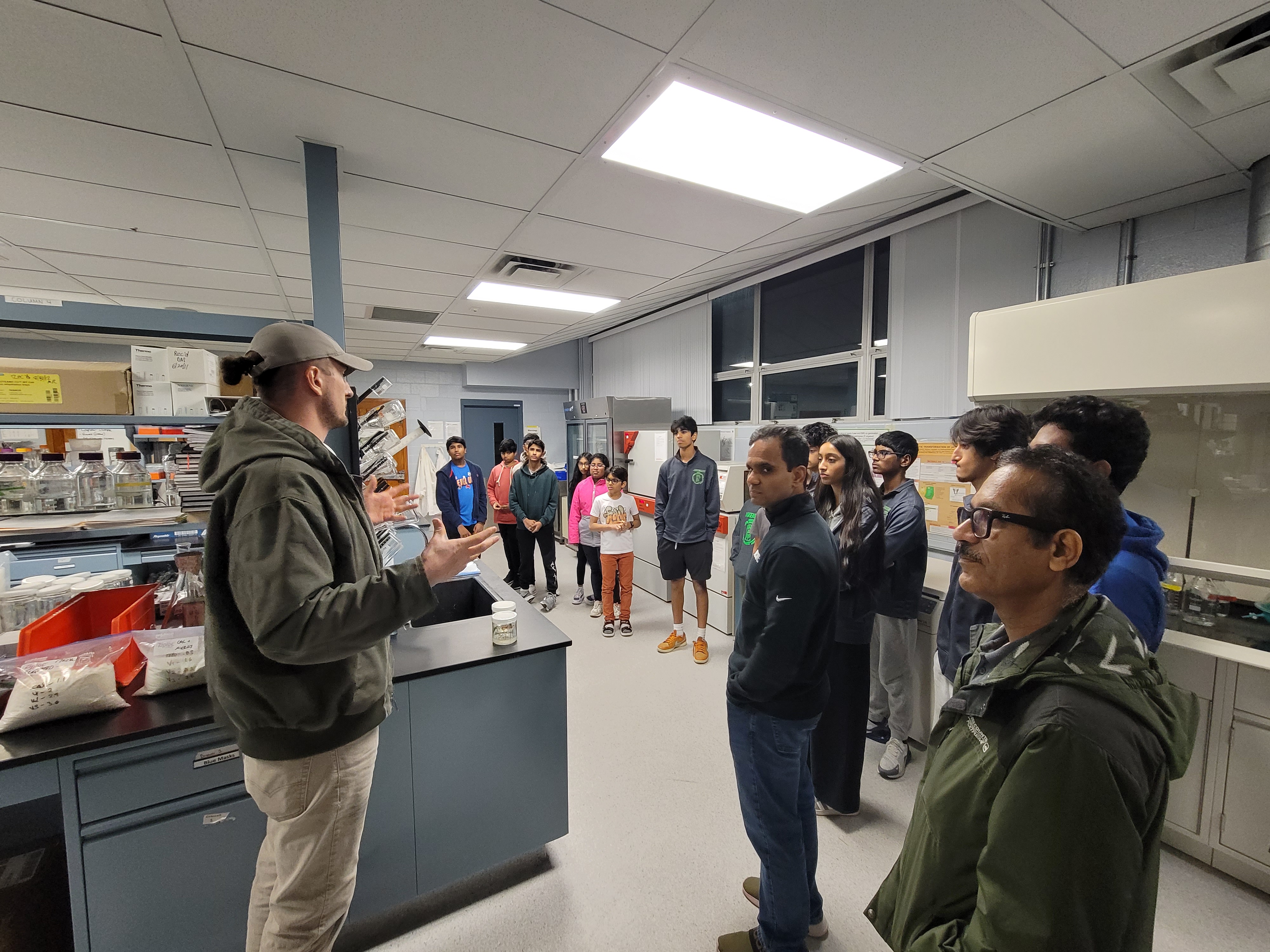
We also learned that this research has been tested in animals and is being studied for possible use in humans.
This lab helped us understand that engineering goes far beyond building robots for competitions. Technology can also play an important role in medicine, scientific discoveries, and improving people's lives.
4. Plant Tissue Culture Lab: Growing Plants Through Science
Our final stop was the Plant Tissue Culture Lab. Here, we learned how researchers grow plants and perform experiments in controlled environments.
One of the most important things we learned was the importance of cleanliness and sterility. Before entering the lab, people go through an air shower that removes dust and other particles from their clothing. This helps prevent unwanted bacteria and other organisms from affecting experiments.
We also learned about agar, a clear, jelly-like substance that researchers use as a solid surface for growing plants. Instead of simply using regular soil, researchers can use agar to provide plants with a controlled growing environment.
The lab mainly works with hemp and conducts experiments to understand plant growth and development.
This visit showed us how technology and automation can also improve agriculture and scientific research.
5. Connecting Our Experience to FTC Robotics
One of the biggest benefits of this visit was discovering how the things we learned could help our robotics team.
Here are five important lessons we took away:
- Electrical Systems: Understanding electrical loads can help us manage our robot's motors, batteries, and other components.
- Organization: Labeling wires and documenting our work can make our robot easier to maintain and repair.
- Reliable Engineering: Testing components and creating dependable systems can help prevent problems during competitions.
- Artificial Intelligence: Learning about AI gave us ideas for future automation and computer vision projects.
- Problem-Solving: Watching professional engineers solve challenges inspired us to improve our own engineering process.
6. Looking Ahead: What We Learned
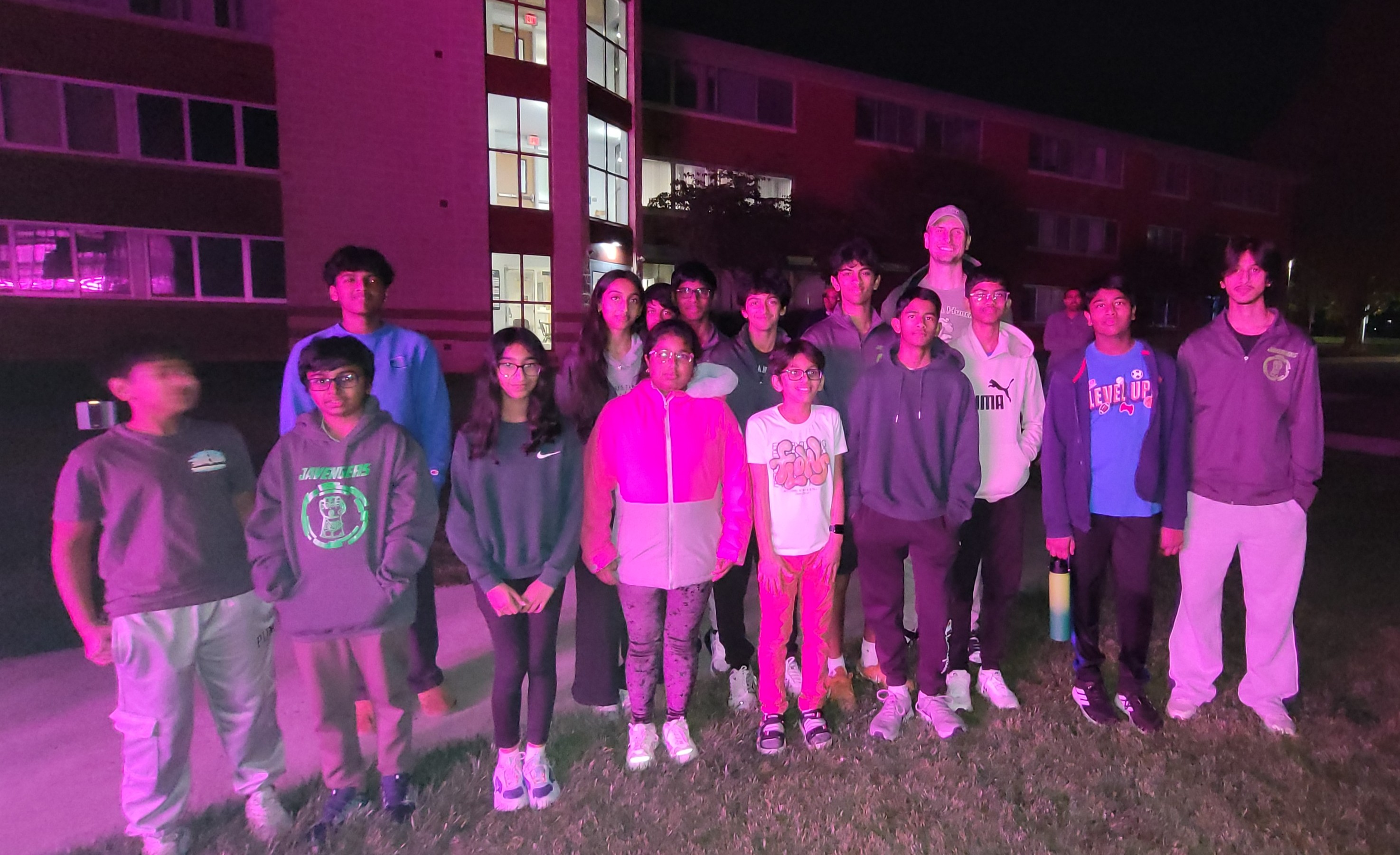
Our visit to Penn State Harrisburg was an amazing learning experience for both Javengers and Javengers Brand New Day. We explored four different research labs, met professionals, and discovered how engineering is used in many different industries.
The biggest lesson we learned was that engineering is not just about building something that works. It involves planning, testing, organizing, documenting, solving problems, and continuously improving designs.
We hope to have more opportunities like this in the future so we can continue learning, exploring new technologies, and bringing fresh ideas back to our FTC team.
Engineering is everywhere, and every new experience gives us another opportunity to innovate!
Thank you to Dr. Anilchandra Attaluri and the Penn State Harrisburg researchers for giving us this wonderful opportunity to learn and explore!